
I in the We
It is through the care for social life in the Philippines and the commitment of individuals that many anthroposophical initiatives have been established. The task of anthroposophy is directed both inwardly, towards one's own self, and towards working in the world: a commitment to individuality and community.
In the Philippines the anthroposophical movement started with individuals asking what could be done with the social challenges the country faced after the dictatorship, and with searching for coworkers who are also asking for alternatives and seeking empowerment and social change. One of them is Jake Tan. As early as the 70s he fought side by side with the farmers for better irrigation systems, and asked himself, «How do you empower the Filipinos from the deprived sectors of society?» His wife Bella Tan, having witnessed many daily inhuman conditions was also concerned about the future of their children. Maryjoan Fajardo is part of the Philippine Educational Theater Association (peta) that produces plays to present issues against oppression and violence. Nicanor Perlas was forced to leave the country during the Martial Law years because of his opposition to the Bataan Nuclear Power Plant under the regime of Ferdinand Marcos.
Reviving the country
These four individuals, among other friends and colleagues who are also asking and seeking, started studying anthroposophy in 1987. It was the time when the country was reviving itself after the success of the People Power Revolution in 1986 and the end of the 21-year dictatorship. However, corruption, oppression and poverty have seeped through the vein of the Filipino way of life so that one asks how these overwhelming problems can be alleviated.
Following study groups with Nicanor Perlas, teacher trainings abroad and a pioneer kindergarten with the farmers’ children on the Ikapati biodynamic farm, Bella Tan, Maryjoan Fajardo and Kathryn Perlas started the first Waldorf School in the Philippines in 1994. Jake Tan focused on anthroposophic medicines, while physicians like Dr Moon Maglana and Dr Grace Zozobrado-Hahn brought anthroposophically-inspired primary health care and individual empowerment of the Filipino through self-education and a healthy relationship to the environment to far-flung areas like Mindanao and Palawan.
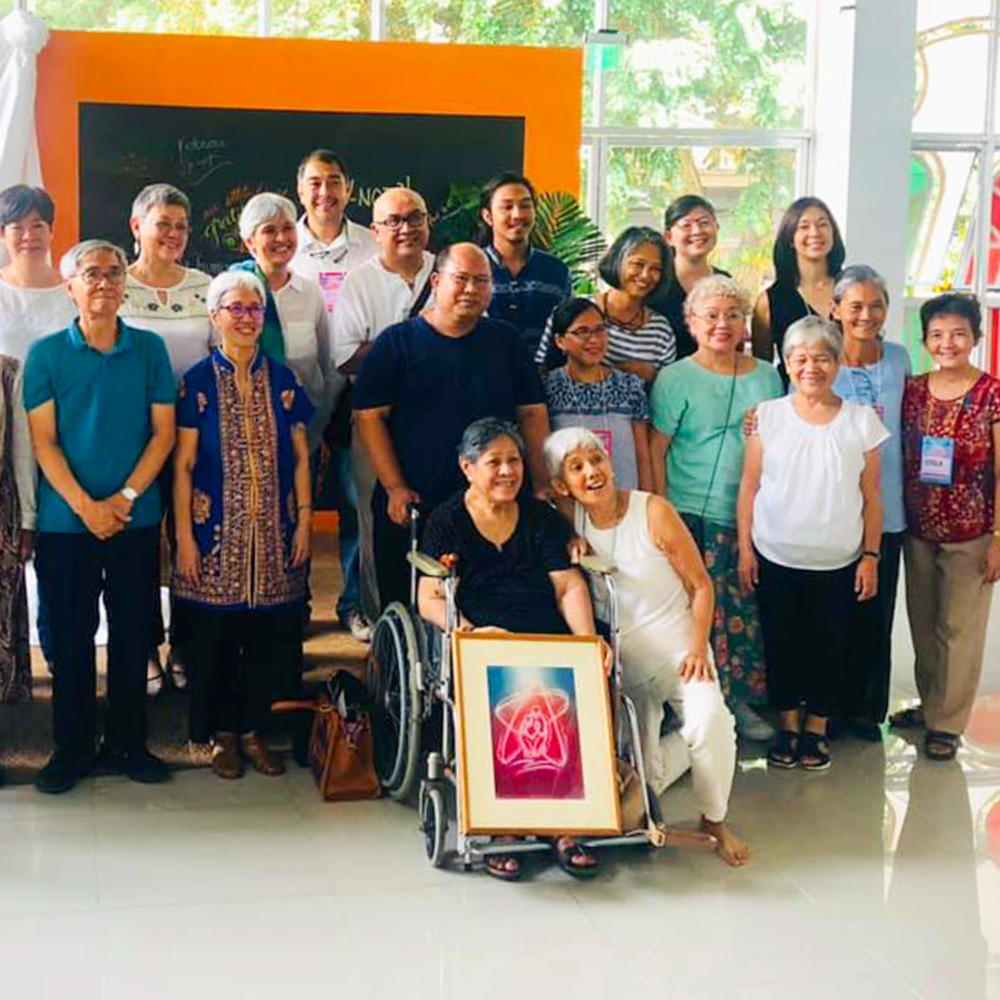
Nicanor Perlas started the first biodynamic farm in the Philippines among his other initiatives, here and abroad. From then on, the movement expanded to include Waldorf schools, biodynamic farms, regular ipmts for medical doctors, nurses, therapists and students, art therapy courses, the Christian Community and the Anthroposophical Group in the Philippines. Last September, 200 people gathered at the University of the Philippines to celebrate the contributions of anthroposophical impulses in the country in the last 30 years.
Upholding each other’s freedom
In the age of fake news, rapid technological advancement, constant attacks on basic human rights and the gap between rich and poor, how will the anthroposophical movement find its relevance? Through dialogue within and outside the anthroposophical community, calm vigilance to what is going on in the world, engaging the youth and commitment to act - both within one’s own ‹I› and in the world. And in this space of individuality and community, may we uphold each other’s freedom, feel ever more responsible for our becoming and connecting with one another, and trust in the guidance that comes when we ask.