
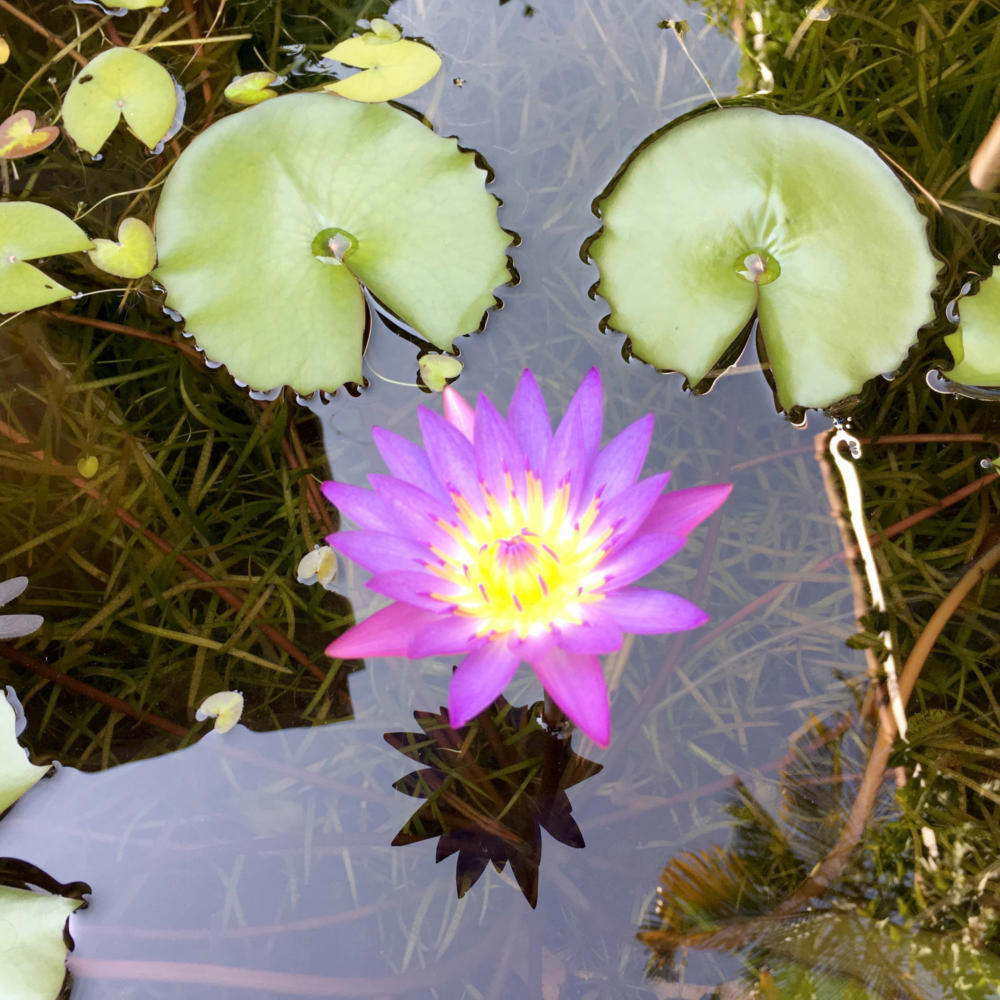
Life is resilient
Almost all of us presently experience the phenomenon of institutionalization. It is usually reserved to those with disabilities or other marginalized groups, and if we are exposed to it at all, it is only for a short period of time and in exceptional situations.
Institutionalization means that an authority, rather than we ourselves, is in control of essential aspects of our everyday life. It means that a person’s individual freedom is subjected to predefined actions implemented to protect them or others. Physical presence in public spaces in itself already constitutes a risk. Since the ‘threat’ is invisible and cannot be grasped, we depend on an authority that has exclusive access to information and makes judgements for us. Because the measures relate to the physical, the authority feels authorized to interfere, if necessary, directly at the physical level.
Dynamic self-regulation
In contrast to this institutional top-down crisis management with its command and control structures there are social organizational forms that emerge spontaneously in particular situations and places. Action groups or disaster communities based on individual initiatives are using existing networks or are creating new ones. Because these initiatives are directly in touch with the situation and the consequences of their actions, they can often act faster, adapt to changing conditions and learn fast. All this requires people to have free contact with one another.
The quality of actions therefore depends on the vitality of the acting social organism. Lifeless bodies and systems determined by mechanical laws are subject to entropy. For them, stress leads to attrition which needs to be constantly ‘repaired’ by external order-imposing interventions. ‘Antifragility’ (Nassim Nicholas Taleb) as a characteristic of life is the exact opposite.
Living organisms have a dynamic and resonant relationship with their environment that enables them to develop, renew themselves, change and reproduce. They are not only resilient in the sense that, after trauma, they are able to re-establish a previous state of balance; they even need stress and disruption in order to develop and increase their abilities. This is due to principles of dynamic self-regulation and responsive self-organization that are inherent in the organic formative forces and life processes.
All social organisms – partnerships, communities and organizations of any size or shape, municipalities, states and transnational networks as well as the global community – can be considered from the point of view of fragility and antifragility.
Growing through stress and trauma
The more ‘mechanical’ organizational principles prevail in a system, with their centralized supervision focused on fixed targets and linear process and communication schemes, the more fragile the system’s response and the sooner disruptions will lead to a breakdown. On the other hand, the more fully a community embodies the principles of self-organization and the decentralized, dynamic-responsive processes of self-regulation characteristic of living organisms, the better able it is to deal with stress and trauma and the better it can grow and develop by overcoming them.
Edited extracts from the book ‹Perspective und Initiativen zur Coronazeit›.